
Dentist
Is Professional Teeth Cleaning Necessary Even If You Brush Twice a Day?
You brush your teeth every morning and night, avoid too many sweets, and try to follow a proper oral care routine. So, do you really

You brush your teeth every morning and night, avoid too many sweets, and try to follow a proper oral care routine. So, do you really
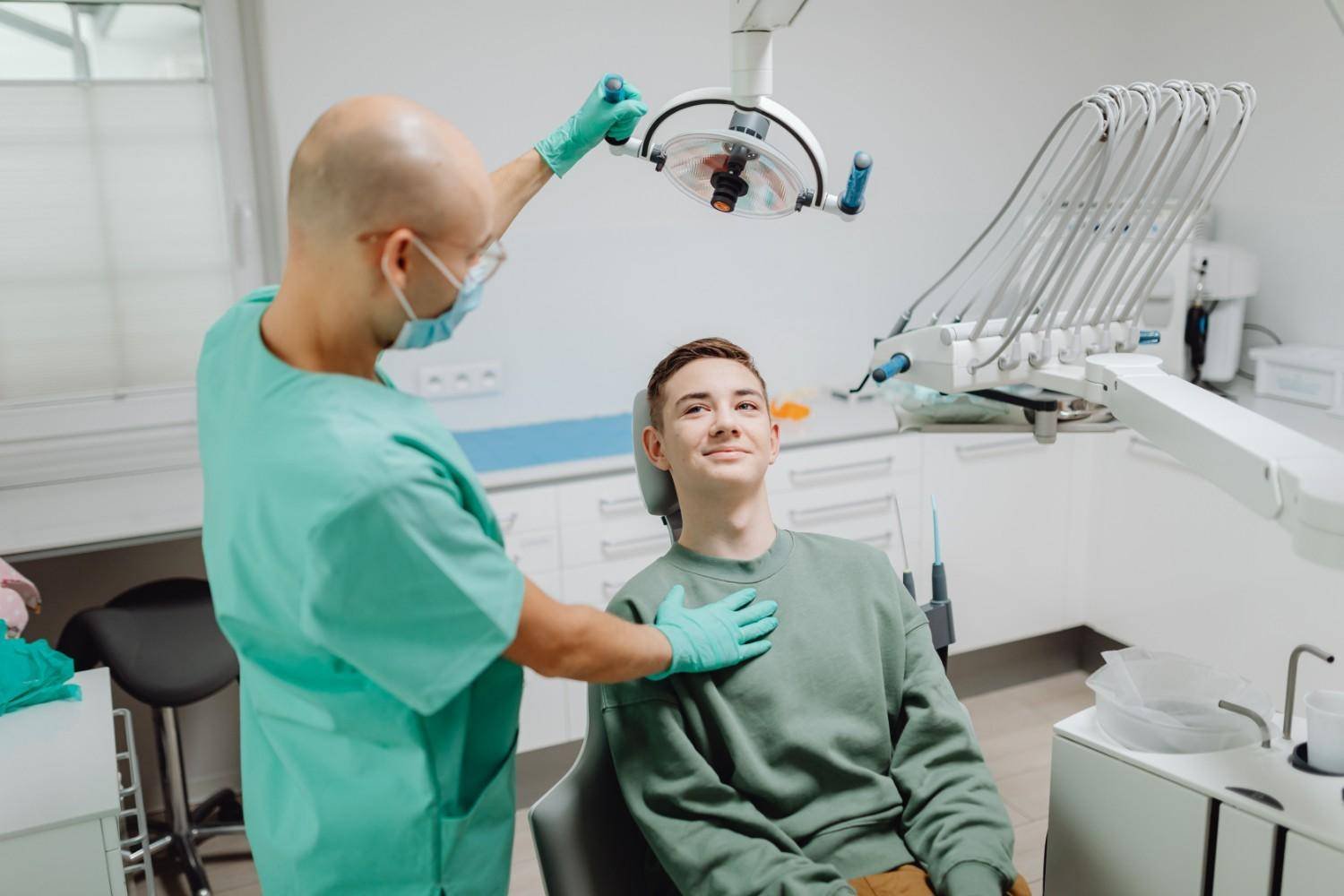
Visiting a dentist can feel stressful for many people. The sound of dental instruments, fear of pain, or an unpleasant past experience may cause nervousness.

Noticing blood on your toothbrush or while eating can be concerning, especially when it happens repeatedly. Although occasional gum irritation may seem harmless, frequent bleeding

A straight smile can improve both confidence and oral health. However, crooked teeth, gaps, and bite problems can make it difficult to maintain proper dental
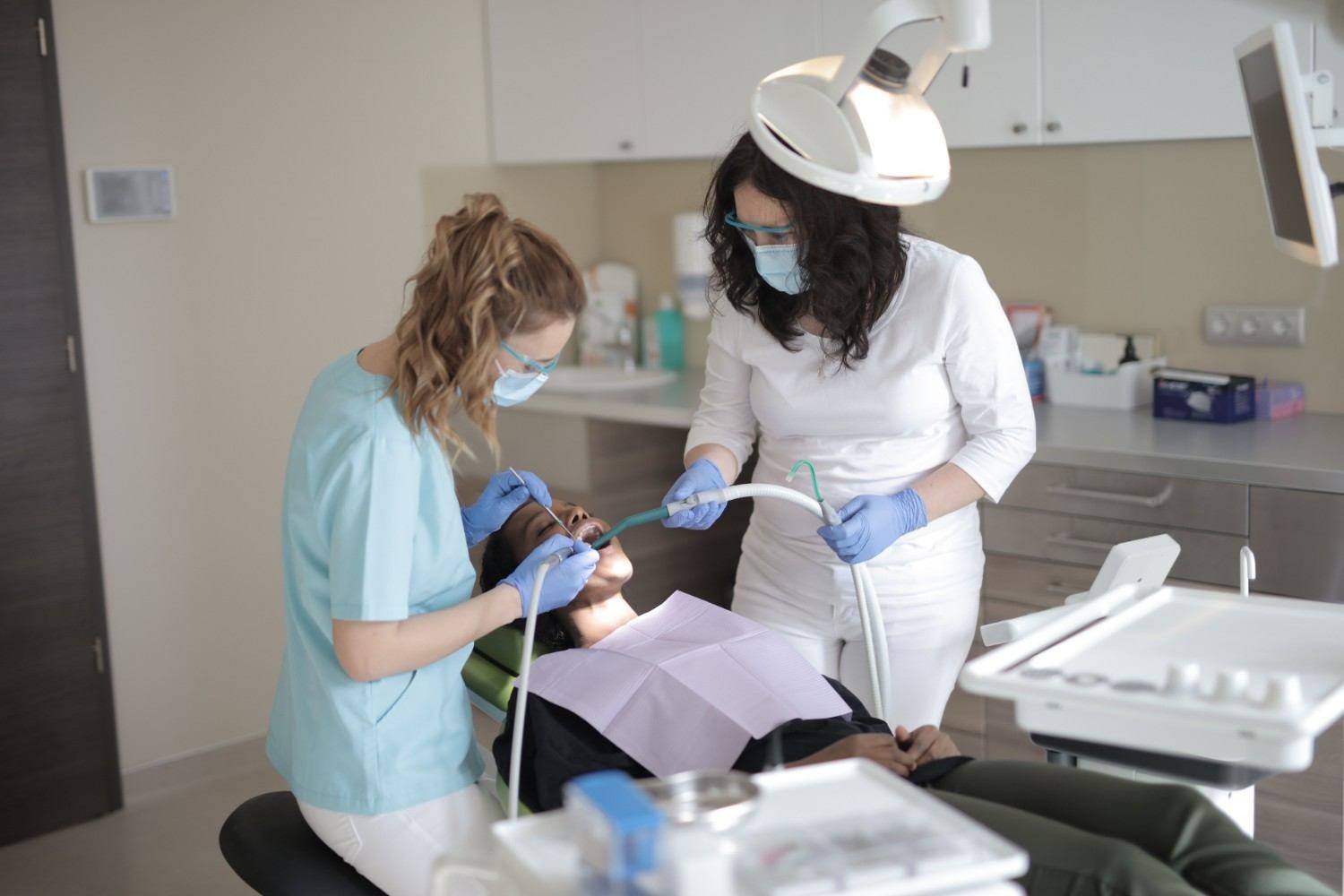
Finding the right dental clinic is an important step towards maintaining healthy teeth and gums. From routine check-ups to treatments for damaged or missing teeth,

Replacing a missing tooth can improve both your smile and everyday oral function. If you are considering treatment, knowing what happens during the procedure can
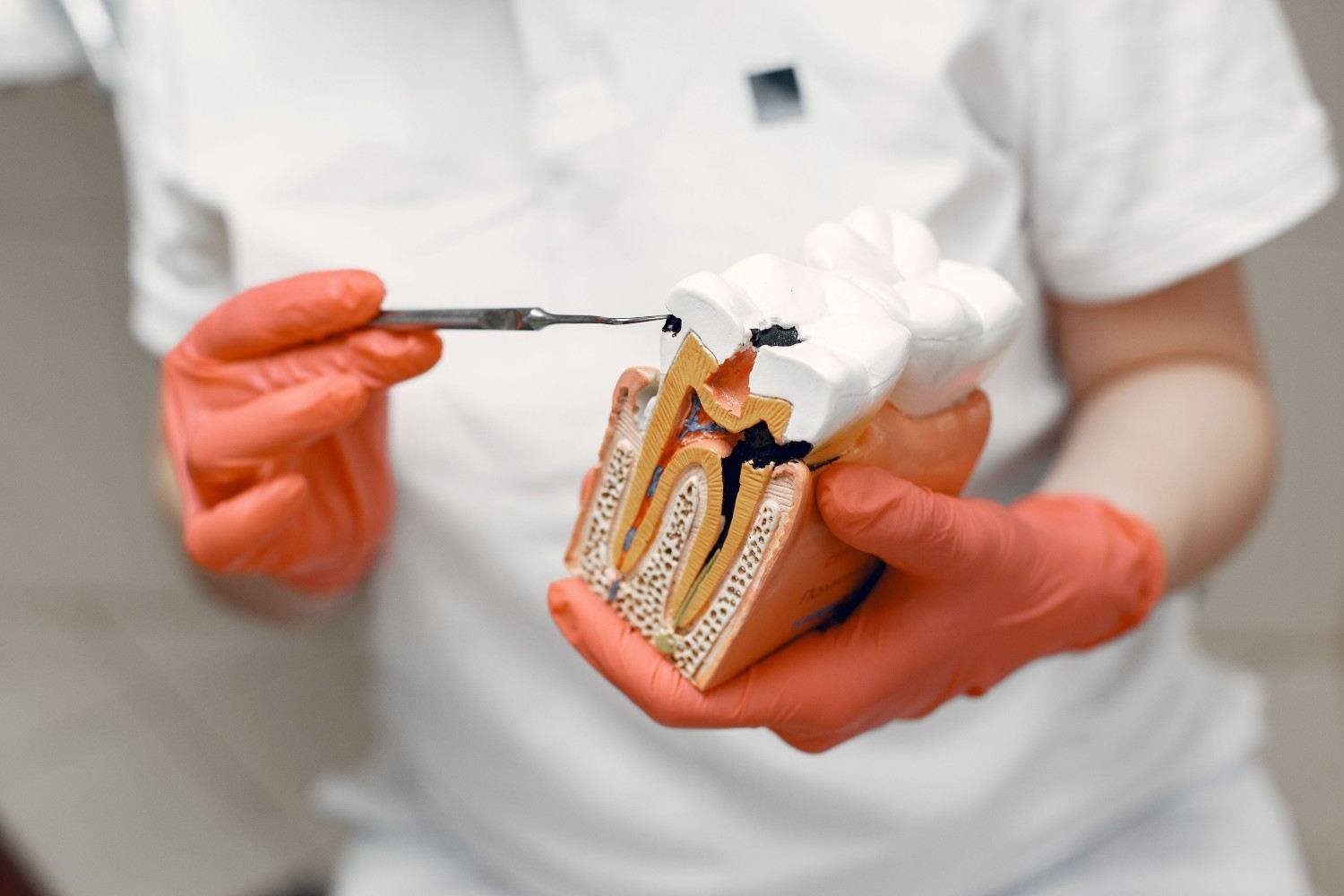
How Much Time Should You Set Aside for a Root Canal? When a dentist recommends a root canal, patients often want to know one practical
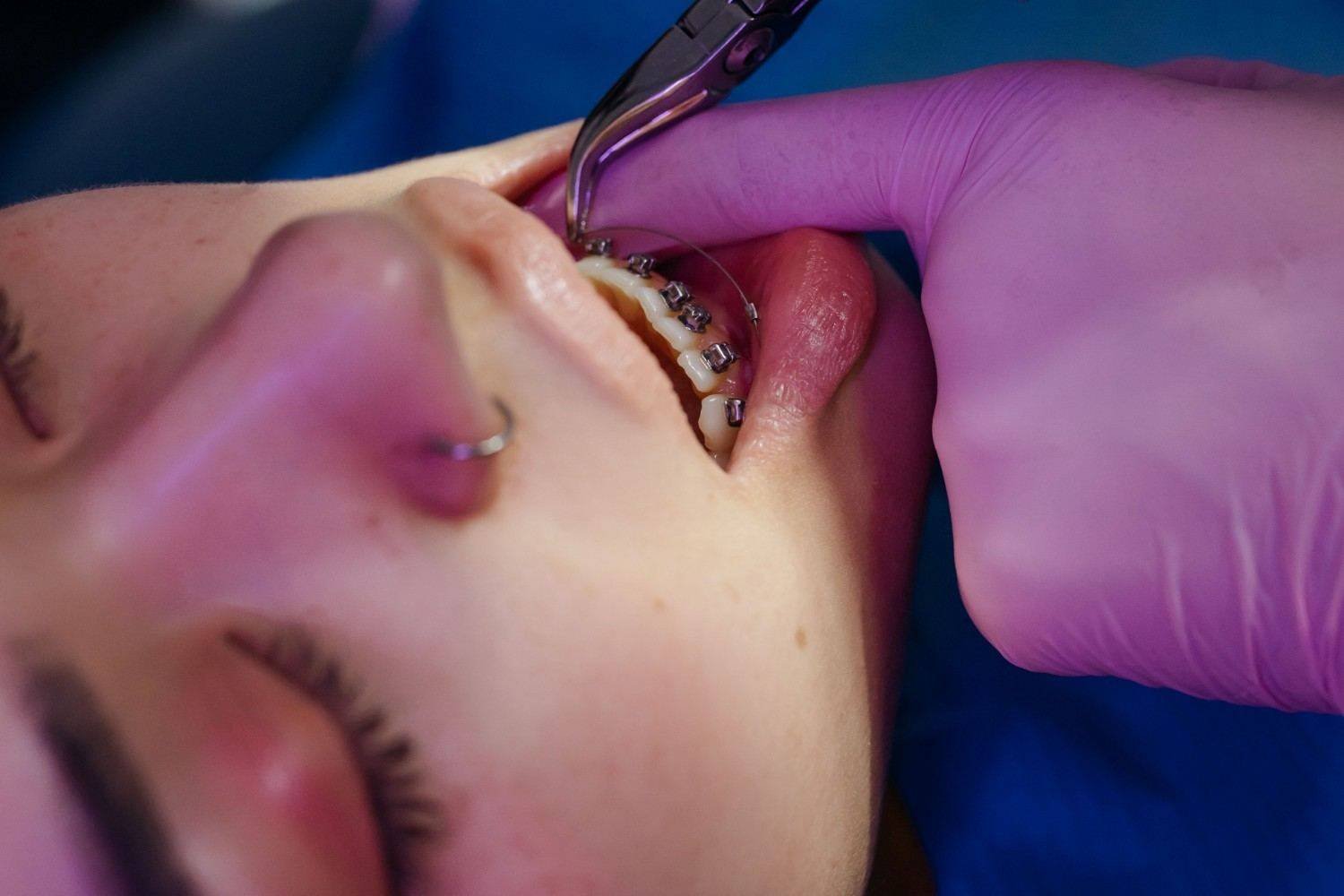
Starting orthodontic treatment can bring a lot of questions, especially about discomfort. Many people wonder whether braces or other orthodontic appliances will hurt and what
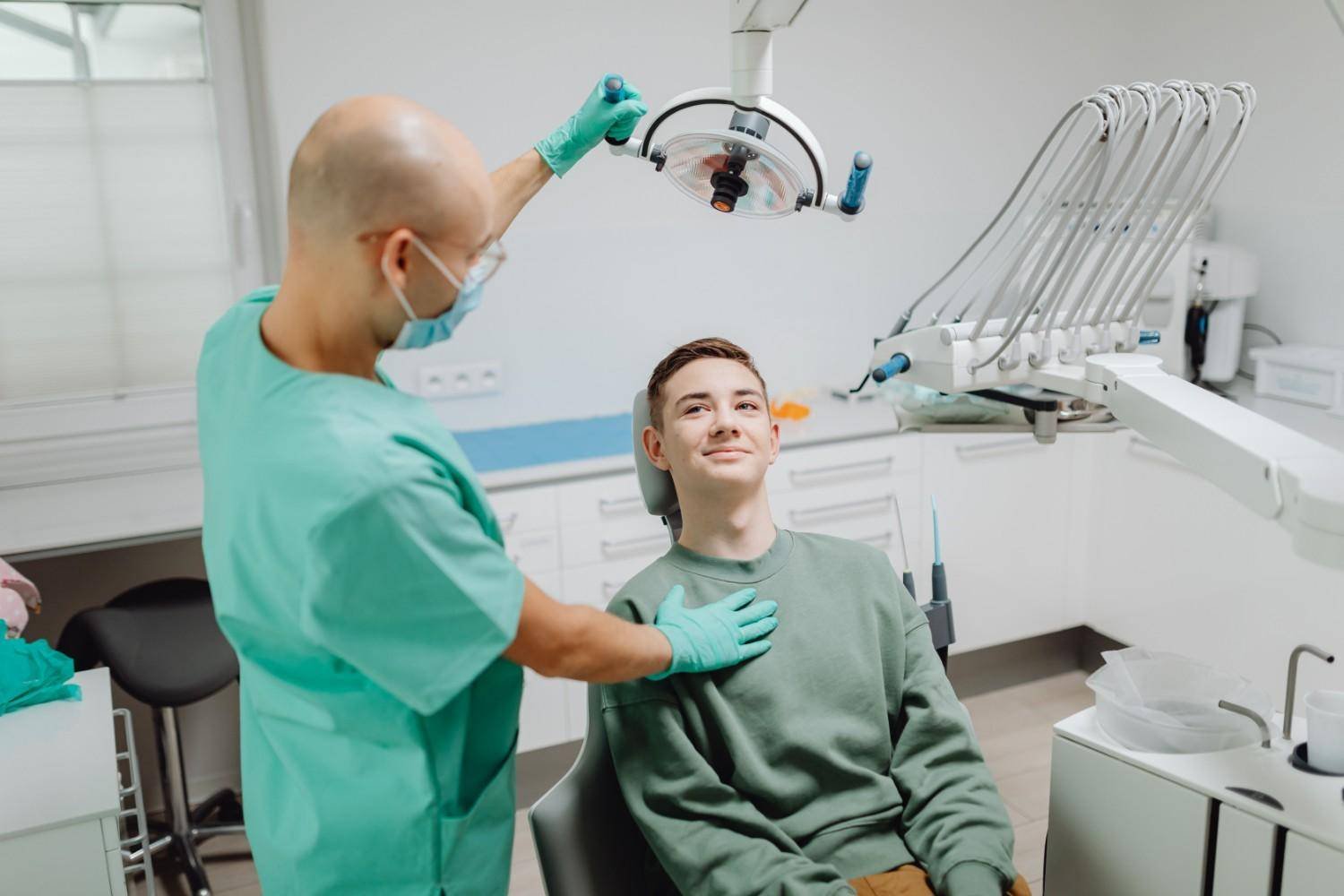
Choosing the right dental treatment starts with understanding what your teeth and gums actually need. From routine checkups to restorative, cosmetic, orthodontic, and surgical procedures,
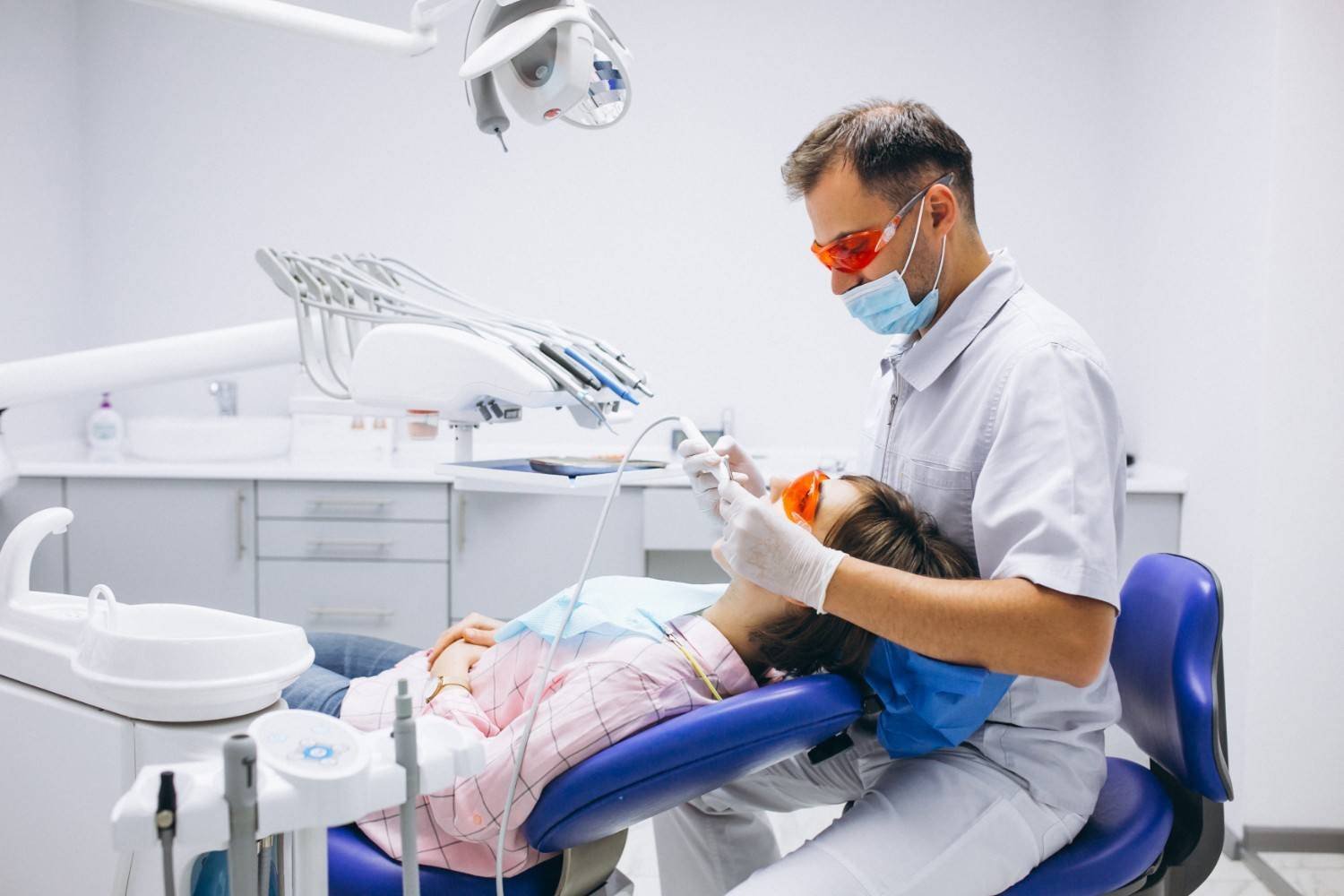
A dental visit is easy to postpone when nothing hurts. You may think there is no reason to sit in the dental chair if you
 Call Now Button