
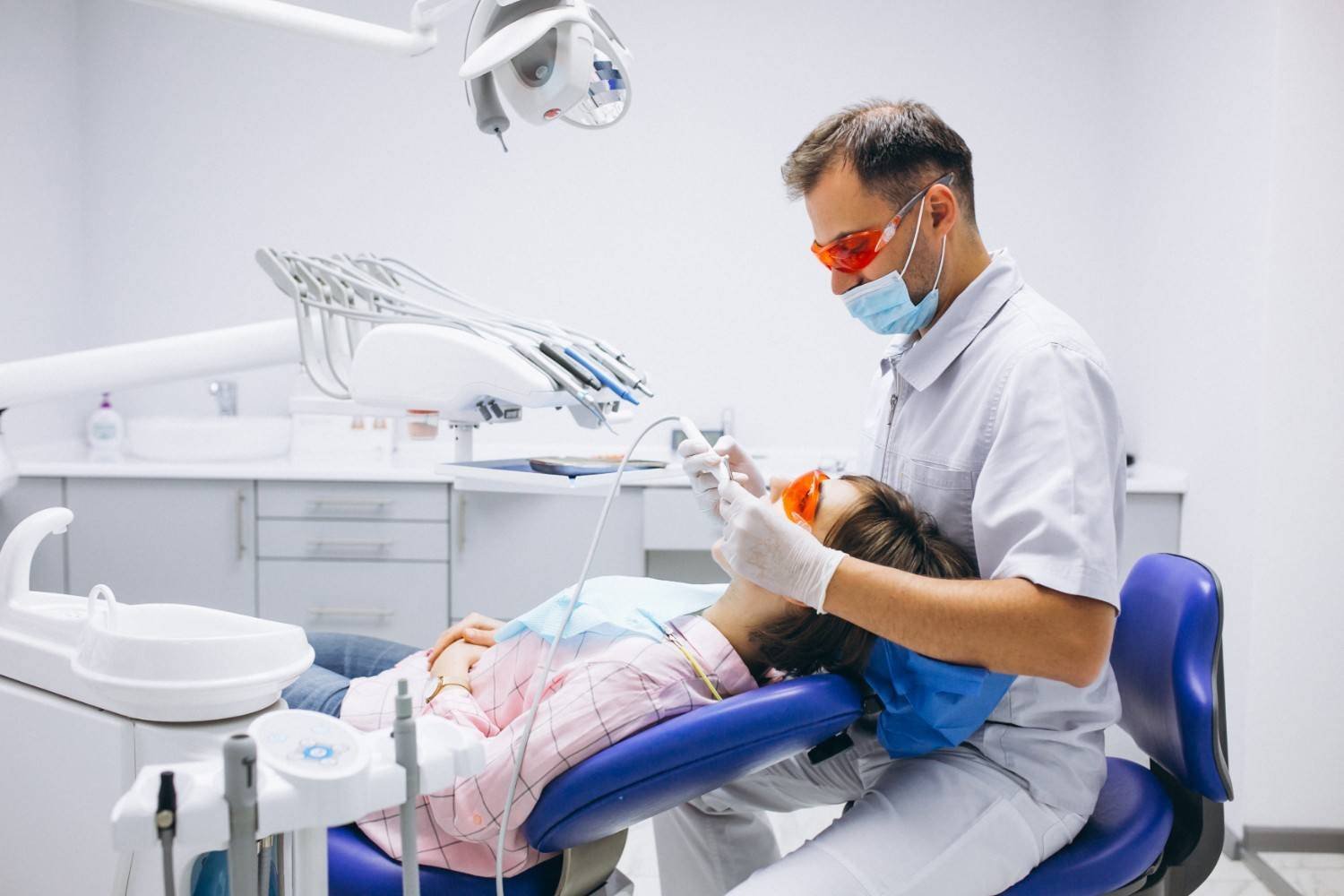
A dental visit is easy to postpone when nothing hurts. You may think there is no reason to sit in the dental chair if you can eat normally, brush without discomfort, and do not notice anything unusual. However, dental health can change quietly, which is why regular check-ups still matter.
If you are searching for a Dentist in Greater Noida West, one of the first questions you may have is how frequently you actually need an appointment. There is no fixed schedule that suits every person. Your teeth, gums, previous dental problems, daily habits, and current treatment needs can all influence how often you should see a dentist.
At Clover Dental Solutions, routine dental appointments can be used to review your oral health and discuss any concerns before deciding whether further care is needed.
For fast information, direct chat with us on WhatsApp.
Is a Dental Check-Up Every Six Months Necessary?
You may have heard that everyone should visit the dentist twice a year. While this is a familiar recommendation, dental appointments are not necessarily the same for every patient.
Some people may remain comfortable with routine visits, while others may benefit from more frequent monitoring. For example, someone who regularly develops cavities or has ongoing gum concerns may need to return sooner.
Rather than choosing an appointment interval simply because it is commonly mentioned, discuss your dental history with your dentist. A Dentist in Greater Noida West can suggest a visit schedule based on your individual situation.
What Can a Dentist Notice During a Routine Visit?
You might notice a toothache immediately, but not every dental change announces itself with pain.
During an examination, your dentist may look at the condition of your teeth, gums, existing dental work, and other areas of your mouth. They can also ask whether you have noticed sensitivity, bleeding, discomfort, changes in your bite, or other symptoms.
This type of appointment gives you a chance to talk about small changes that may otherwise be easy to ignore.
For Clover Dental Solutions, regular communication with patients is an important part of understanding what kind of dental care may be appropriate.
When Should You Book an Appointment Earlier?
A routine check-up does not mean you should wait until your next scheduled visit when something feels wrong.
Consider contacting a dental clinic if you notice:
- Tooth pain that continues or returns
- Bleeding while brushing or flossing
- Swollen or uncomfortable gums
- Increased sensitivity to hot or cold foods
- A chipped, cracked, or damaged tooth
- A loose filling or other dental restoration
- Persistent unpleasant breath
- Changes in the way your teeth come together
These symptoms can have different causes, so an examination is usually more useful than trying to determine the reason yourself.
If you are already experiencing a dental concern, looking for a Dentist in Greater Noida West can help you arrange an appropriate evaluation instead of waiting for a routine appointment.
What If I Brush and Floss Every Day?
Good home care makes a significant difference, but it does not replace professional dental examinations.
Your daily routine should include brushing your teeth properly and cleaning between them. It is also helpful to pay attention to changes in your mouth rather than ignoring them simply because your regular brushing routine has not changed.
A dental check-up serves a different purpose. It gives a professional an opportunity to examine areas you may not be able to see or assess yourself.
Clover Dental Solutions encourages patients to treat home oral hygiene and professional dental care as parts of the same routine rather than choosing one over the other.
Does Your Dental Visit Always Mean Treatment?
Not necessarily.
A check-up can simply be an opportunity to review your current oral health. Depending on what your dentist finds, they may recommend continuing your existing routine, professional cleaning, monitoring a particular area, or discussing treatment.
The important point is that you do not have to wait for a serious problem before having your mouth examined.
Regular appointments can also help you become more familiar with your own dental health. Over time, this may make it easier to notice when something has changed.
How Can You Make Dental Visits Easier?
If dental appointments tend to get pushed to the bottom of your list, try connecting them with another regular routine. You could schedule your next appointment before leaving the clinic or set a reminder on your phone.
It is also worth keeping a simple note of recurring problems. For instance, if one tooth becomes sensitive whenever you drink something cold, mention it at your appointment even if the sensitivity has disappeared by then.
Being specific about what you have noticed helps your dentist understand your concerns.
For patients looking for a Dentist in Greater Noida West, keeping track of these changes can make a routine consultation more productive.
Who May Need More Frequent Dental Monitoring?
Your dentist may suggest shorter intervals between appointments depending on your circumstances. This can include people who have experienced repeated dental issues or are currently receiving dental treatment.
Children, teenagers, adults, and older patients can also have different dental needs. Existing restorations, orthodontic treatment, gum concerns, or a history of cavities may affect the recommended schedule.
There is therefore no universal answer to the question, “How often should I visit?” Your dentist can assess your mouth and explain what makes sense for you.
FAQs
How often should I have a routine dental check-up?
The appropriate interval depends on your oral health and dental history. Many people have regular check-ups at intervals recommended by their dentist, while some patients may need appointments more often.
Can I wait until I have tooth pain before visiting a dentist?
It is better not to make pain the only reason for seeing a dentist. Some dental concerns may not cause obvious discomfort at first. Routine appointments allow your oral health to be reviewed even when you feel fine.
What should I tell my dentist during a check-up?
Mention anything unusual, including sensitivity, bleeding gums, discomfort, changes in your bite, bad breath, or a damaged tooth. Even a symptom that seems minor can be useful information.
Do I need a professional cleaning if I brush regularly?
Daily brushing is important, but your dentist can determine whether you would benefit from professional cleaning based on the condition of your teeth and gums.
How do I find a Dentist in Greater Noida West?
When choosing a dentist, consider whether the clinic offers the type of examination and dental care you require and whether you can comfortably discuss your concerns with the dental team. Clover Dental Solutions is an option for patients seeking dental care in Greater Noida West.
Conclusion
A dental check-up should not only happen when a tooth starts hurting. Regular appointments give you an opportunity to discuss changes, review your oral health, and understand whether your current dental-care routine is working well for you.
The right appointment frequency depends on the individual. Instead of following a schedule simply because it is commonly mentioned, ask your dentist what interval is suitable for your teeth and gums.
If you are looking for a Dentist in Greater Noida West, Clover Dental Solutions can help you discuss your current dental concerns and understand the next steps for maintaining your oral health.
If you want to learn more about dental care or schedule a consultation, visit Clover Dental Solutions today!