
How Much Time Should You Set Aside for a Root Canal?
When a dentist recommends a root canal, patients often want to know one practical thing: how much time will I need for the treatment?
The answer is not exactly the same for every tooth. A front tooth and a back molar can require different amounts of dental work. The condition of the tooth also matters. Some cases can be managed in one appointment, while others need more than one visit.
At Clover Dental Solutions, the expected treatment schedule can be discussed after examining the tooth. This allows the dentist to consider the condition of the tooth rather than giving every patient the same timeline.
If you are searching for Root Canal Treatment in Greater Noida, knowing what can influence the appointment time can help you plan your visit without unnecessary worry.
For fast information, direct chat with us on WhatsApp.
Why Does Root Canal Treatment Take Time?
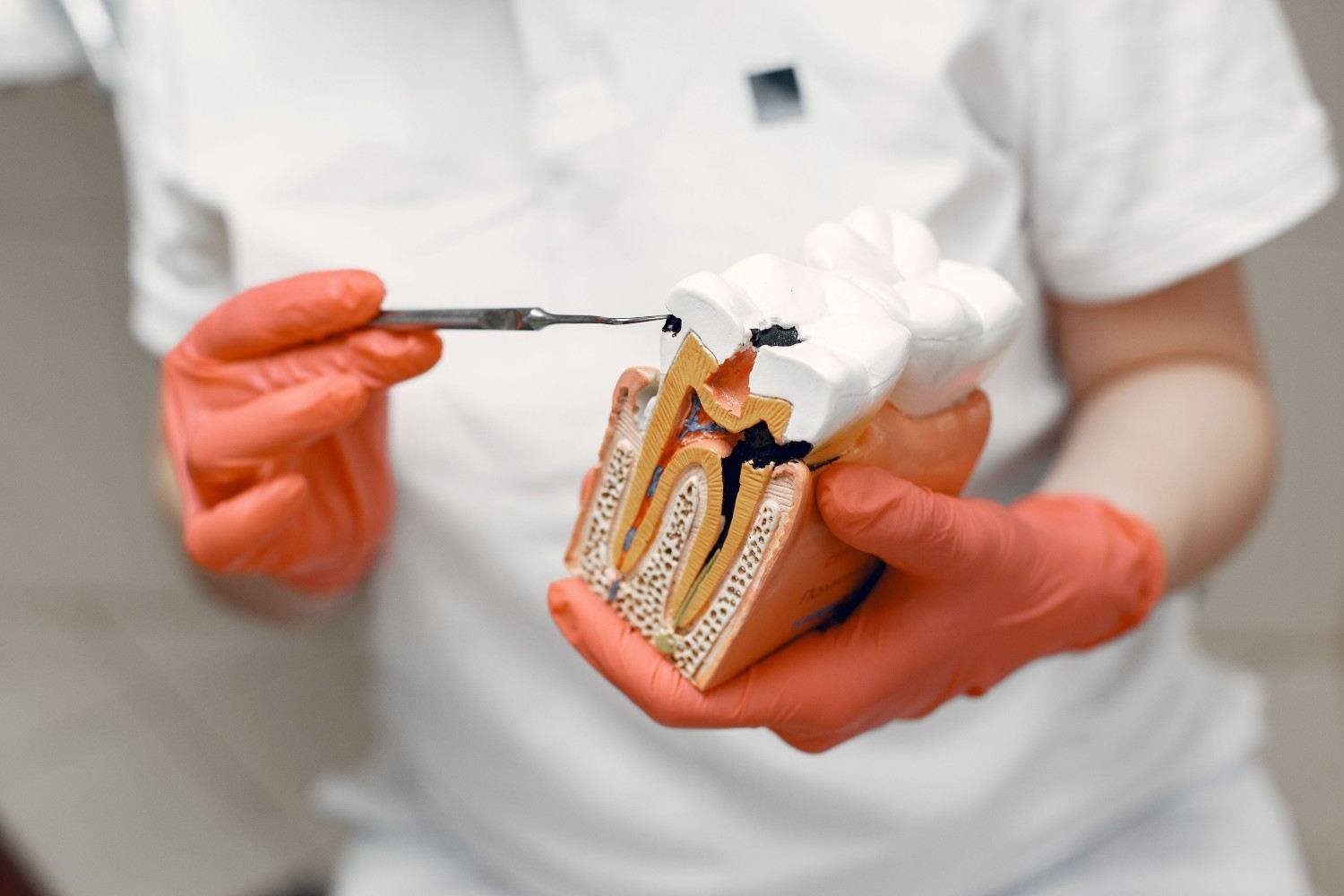
A root canal is more than simply removing a painful part of a tooth. The dentist needs to reach the affected area, clean the canals carefully, and seal them properly.
The inside of a tooth contains small canals that may vary in shape and size. Their arrangement can make some treatments more straightforward than others.
The dentist may also need to examine the tooth before starting the procedure. Dental X-rays or other diagnostic methods can help in understanding the tooth and planning treatment.
Because every case is different, the appointment length should be based on the individual tooth rather than a fixed number of minutes.
What Happens During the Appointment?
Knowing what happens during treatment can make the process easier to understand.
Examination and Treatment Planning
The dentist first checks the tooth and discusses your symptoms. If further evaluation is required, dental imaging may be used.
This stage helps determine whether the tooth is suitable for root canal treatment and what approach may be needed.
Numbing the Tooth
Local anaesthesia is used to numb the treatment area. This is an important part of the procedure because it helps make the treatment more comfortable.
Cleaning the Root Canals
Once access is created, the dentist works inside the tooth to remove the affected pulp tissue. The canals are then cleaned and prepared for sealing.
This part requires careful attention because the canals are located inside the tooth and may have different shapes.
Sealing the Tooth
After the canals have been appropriately cleaned and prepared, they are sealed. The dentist then considers the next step for restoring the tooth and helping it return to normal function.
At Clover Dental Solutions, the exact sequence can depend on the condition of the tooth and the treatment plan recommended by the dentist.
What Can Make a Root Canal Take Longer?
Several circumstances can change the amount of time required.
The Type of Tooth
The number and arrangement of canals differ between teeth. Back teeth can be more involved than some front teeth, so treatment may require additional time.
The Condition of the Tooth
A tooth with extensive decay, inflammation, or infection may require more careful treatment than a tooth with a less complicated problem.
Unusual Canal Shape
Some canals may be narrow, curved, or difficult to access. In such situations, the dentist may need to work more carefully during cleaning and preparation.
Previous Root Canal Treatment
If a tooth has already undergone a root canal and develops another problem, the dentist may recommend retreatment. This is a different situation from treating a tooth for the first time and can involve additional work.
Additional Restoration
Root canal treatment addresses the inside of the tooth, but the tooth may also need restorative treatment afterward. The dentist can explain whether further restoration is appropriate for your tooth.
https://share.google/XDo0RIylgg8K46yY9
Does Every Root Canal Need Multiple Visits?
No. The number of appointments depends on the particular case.
Some patients may have their root canal completed during one visit, while others may need a follow-up appointment. The decision can depend on the tooth’s condition, its internal anatomy, and the treatment approach.
Instead of assuming that your treatment will take a certain number of visits, ask your dentist what is expected for your specific tooth.
If you choose Root Canal Treatment in Greater Noida, having this conversation before treatment can help you understand the likely schedule.
What Should You Do Before Your Appointment?
There is usually no need to feel nervous simply because a root canal has been recommended. You can make your appointment easier by informing the dental team about any medicines you take, existing dental concerns, or previous treatment on the same tooth.
It is also useful to ask questions before the procedure, such as:
- How many appointments might I need?
- Will the tooth require restoration afterward?
- What should I expect after the procedure?
- When can I return to my normal routine?
At Clover Dental Solutions, discussing these points with the dental team can give you a clearer idea of what your treatment involves.
Frequently Asked Questions
How long does Root Canal Treatment usually take?
The duration varies according to the tooth and the complexity of the case. Some treatments can be completed in one appointment, while others may require additional visits.
Why can two root canals take different amounts of time?
Teeth have different canal structures. The extent of decay or infection and the complexity of the tooth can also affect the treatment process.
Can a root canal be completed in one appointment?
Yes, some cases can be completed in one visit. Your dentist can determine whether this is appropriate after examining the tooth.
Will I need another treatment after a root canal?
A tooth may require additional restoration after the root canal. The appropriate option depends on the condition and structure of the treated tooth.
Should I delay treatment if my tooth stops hurting?
Pain disappearing does not necessarily mean that the underlying dental problem has resolved. If your dentist has recommended treatment, discuss the situation with them before deciding to postpone it.
Conclusion
There is no single treatment time that applies to every root canal. The tooth being treated, its internal structure, the extent of the dental problem, and any previous treatment can all influence how long the process takes.
Rather than focusing only on the number of minutes in the dental chair, it is more useful to understand what your particular tooth needs. Clover Dental Solutions can evaluate the affected tooth and explain the expected treatment process.
If you are looking for Root Canal Treatment in Greater Noida, discussing your symptoms and treatment options with a dental professional is the right starting point.
If you want to learn more about dental care or schedule a consultation, visit Clover Dental Solutions today!