
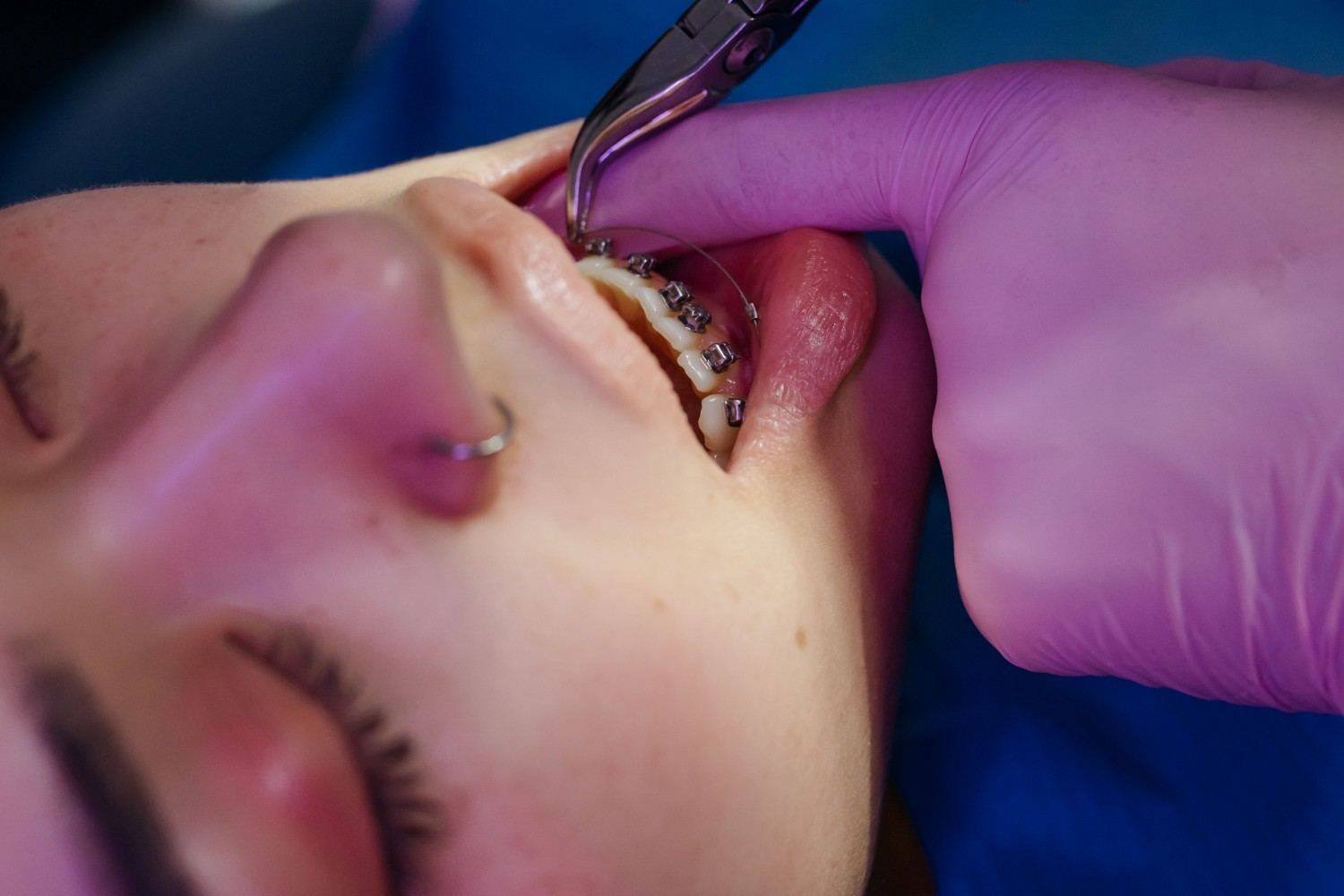
Starting orthodontic treatment can bring a lot of questions, especially about discomfort. Many people wonder whether braces or other orthodontic appliances will hurt and what the first few days will feel like. The good news is that some tenderness is common, but it is usually manageable and temporary.
If you are considering treatment, an experienced dental consultation can help you understand what to expect. A trusted Orthodontic Clinic in Ghaziabad can explain the treatment process, possible discomfort, and ways to keep your teeth and gums comfortable during treatment.
For fast information, direct chat with us on WhatsApp.
Does Orthodontic Treatment Hurt?
Orthodontic treatment does not usually cause severe pain. However, you may experience mild soreness, pressure, or tenderness when braces are first placed or when adjustments are made.
Braces work by applying gentle, controlled pressure to gradually move teeth into better positions. Because your teeth and surrounding tissues need time to adapt, you may notice some discomfort during the adjustment period.
The sensation can vary from person to person. Some people notice only mild pressure, while others may experience greater tenderness for a short time.
What Can You Expect During the First Few Days?
The first few days are often the period when patients notice orthodontic discomfort the most. Your mouth needs time to become accustomed to the brackets, wires, aligners, or other appliances.
First Day
Immediately after treatment, you may feel pressure around your teeth. Your teeth can feel slightly sensitive when chewing, particularly if you have recently had braces fitted or your orthodontic appliance adjusted.
Your lips, cheeks, or tongue may also notice the new appliance. This unfamiliar feeling generally becomes easier to manage as you get used to it.
Second and Third Day
Tenderness can remain noticeable during the next couple of days. Eating softer foods may make meals more comfortable if chewing feels sensitive.
Some patients may also notice minor irritation where a bracket or wire comes into contact with the inside of the cheek. Orthodontic wax can sometimes be useful for reducing rubbing and irritation.
After a Few Days
For many patients, the initial discomfort gradually settles as the mouth adapts. You may still notice occasional pressure after future orthodontic adjustments, but this does not necessarily mean that something is wrong.
Your orthodontic team can advise you about what is normal for your particular treatment.
https://share.google/XDo0RIylgg8K46yY9
Why Do Braces Cause Discomfort?
Orthodontic appliances place controlled pressure on the teeth. This pressure encourages gradual movement within the supporting tissues around the teeth.
That process can create temporary tenderness. The discomfort is therefore different from the sharp pain associated with some dental problems.
The brackets and wires can also feel unusual against the cheeks and lips at first. As your mouth becomes accustomed to them, this irritation generally becomes less noticeable.
At Clover Dental Solutions, patients can discuss their concerns about orthodontic treatment with the dental team before starting treatment. Understanding each stage can make the experience feel more comfortable and predictable.
How Can You Make the First Few Days More Comfortable?
A few simple habits can help you manage temporary orthodontic soreness.
Choose Softer Foods
If your teeth feel tender, choose foods that require less chewing. Soft foods can make eating easier during the initial adjustment period.
Avoid Very Hard or Sticky Foods
Hard and sticky foods can put unnecessary pressure on orthodontic appliances and may increase the risk of damaging brackets or wires. Follow the food recommendations provided by your dental professional.
Keep Your Mouth Clean
Good oral hygiene remains important throughout orthodontic treatment. Carefully brushing around brackets, wires, and along the gumline can help keep your teeth and gums healthy.
Use Orthodontic Wax for Irritation
If a bracket or wire rubs against your cheek or lip, orthodontic wax may help create a smoother surface. Your dental professional can show you how to use it correctly.
Follow Your Orthodontist’s Advice
Every orthodontic case is different. The instructions given by your orthodontic team should take priority because they are based on your individual treatment.
If you are searching for an Orthodontic Clinic in Ghaziabad, discussing expected discomfort before treatment can help you prepare for the first few days.
Is Discomfort the Same After Every Adjustment?
Not necessarily. Some patients experience mild tenderness after adjustments, while others notice very little discomfort.
The type of orthodontic treatment, the changes being made, and individual sensitivity can all affect how the mouth feels after an appointment.
This is why it is helpful to tell your dental team if you experience discomfort that seems unusual or does not improve.
When Should You Contact Your Dental Professional?
Mild pressure and tenderness can occur during orthodontic treatment. However, significant, persistent, or unusual pain should not simply be ignored.
Contact your dental professional if you have severe discomfort, a damaged appliance, a loose bracket, a protruding wire, or irritation that continues to cause problems.
At Clover Dental Solutions, discussing these concerns with your dental team can help determine whether an adjustment or other care is needed.
Frequently Asked Questions
Is orthodontic treatment painful?
Orthodontic treatment may cause temporary soreness or pressure, particularly during the first few days after braces are placed or adjusted. The level of discomfort varies between individuals.
How long does orthodontic soreness usually last?
Initial tenderness generally improves as the mouth adjusts to the orthodontic appliance. If discomfort is severe or continues longer than expected, speak with your dental professional.
Can I eat normally after getting braces?
You can eat, but your teeth may feel tender initially. Softer foods may be more comfortable during the early adjustment period. Your orthodontic team can also provide specific dietary guidance.
What should I do if a brace or wire irritates my cheek?
Orthodontic wax can help reduce rubbing from brackets or wires. If the irritation continues or an appliance becomes damaged, contact your dental professional for advice.
Should I be worried about pain after an orthodontic adjustment?
Some pressure or mild soreness can be expected after an adjustment. However, severe or persistent pain should be discussed with your dental professional rather than ignored.
Conclusion
Orthodontic treatment may cause some temporary pressure, tenderness, or irritation, particularly during the first few days. This discomfort is often part of the adjustment process as your mouth becomes accustomed to the appliance.
Choosing the right dental team and understanding what to expect can make the treatment journey easier to manage. Clover Dental Solutions can help patients understand orthodontic treatment, oral hygiene, appliance care, and the importance of following professional guidance throughout the process.
If you are looking for an Orthodontic Clinic in Ghaziabad, consider discussing your concerns about discomfort, treatment duration, appliance care, and follow-up appointments during your consultation. Clover Dental Solutions can help you understand the available orthodontic treatment approach based on your individual dental needs.
If you want to learn more about dental care or schedule a consultation, visit Clover Dental Solutions today!