
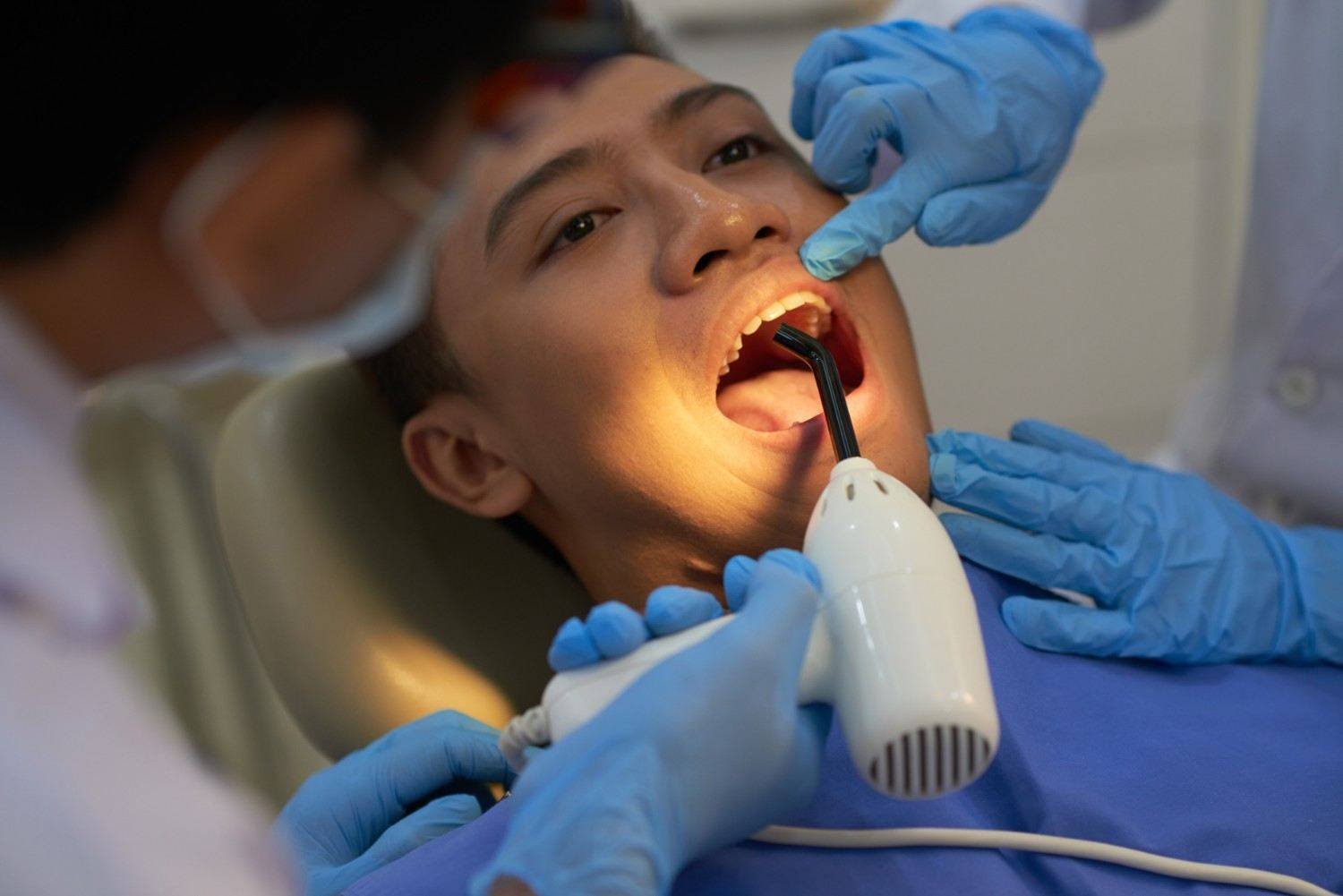
A tooth extraction removes the visible tooth, but the changes inside the jaw do not stop there. The bone that once supported the tooth can gradually shrink after extraction. This may affect the shape of the gum, future dental implant placement, and overall appearance of the smile. Ridge preservation is a dental procedure designed to help maintain the shape and volume of the bone after a tooth is removed.
If you are considering extraction and want to protect the area for future dental treatment, consulting a Ridge Preservation Dentist in Techzone 4 can help you understand whether this procedure is appropriate for your situation. At Clover Dental Solutions, patients can discuss their treatment options and learn how preserving the extraction site may support future oral rehabilitation.
For fast information, direct chat with us on WhatsApp.
What Is Ridge Preservation?
Ridge preservation is a procedure performed after tooth extraction to help reduce the loss of bone in the empty tooth socket.
The term “ridge” refers to the section of jawbone that supports the teeth. Once a tooth is removed, the bone no longer receives the same stimulation it did while the tooth was present. As a result, the surrounding bone can gradually remodel and decrease in size.
During ridge preservation, the dentist carefully cleans the extraction socket and places a suitable bone-grafting material into the space. A protective membrane may also be used, depending on the treatment plan.
The goal is not necessarily to prevent every change in the bone. Instead, ridge preservation aims to maintain as much of the natural shape and volume of the extraction site as possible.
Why Does Bone Loss Happen After Extraction?
To understand the value of ridge preservation, it helps to know what happens after tooth removal.
The jawbone is a living tissue. It constantly responds to the forces placed on it. When a tooth is present, the surrounding bone receives stimulation through normal biting and chewing.
After extraction, that stimulation changes. The body begins to remodel the bone around the empty socket. Over time, the ridge can become narrower or lose some of its height.
The amount of bone change varies from person to person. Factors such as the location of the tooth, the condition of the surrounding tissues, healing response, and existing oral health can influence the outcome.
Why Is Ridge Preservation Important?
It Helps Maintain the Extraction Site
One of the main purposes of ridge preservation is to help maintain the dimensions and contour of the area where the tooth was removed.
Without preservation, natural bone remodeling can make the ridge narrower. Maintaining the available bone can be particularly useful when future restorative treatment is being considered.
It May Support Future Dental Implants
Dental implants require adequate bone support. If significant bone has been lost after extraction, additional bone-grafting procedures may sometimes be necessary before an implant can be placed.
Ridge preservation may help maintain the site and potentially make future implant planning more straightforward. However, it does not guarantee that additional grafting will never be required.
A Ridge Preservation Dentist in Techzone 4 can evaluate the extraction site and discuss whether preserving the ridge makes sense based on your future dental needs.
It Helps Preserve the Gum and Smile Contour
Changes in the underlying bone can also affect the shape of the gum tissue. This may be more noticeable when a tooth is removed from a visible part of the smile.
Preserving the underlying ridge can help support the natural contour of the area during healing and future restoration.
How Is Ridge Preservation Performed?
Ridge preservation is generally planned around the time of tooth extraction.
Step 1: Tooth Removal
The dentist carefully removes the tooth while aiming to protect the surrounding bone and soft tissues as much as possible.
Step 2: Socket Preparation
After extraction, the socket is cleaned to remove debris and unhealthy tissue. This creates a suitable environment for healing.
Step 3: Graft Placement
A bone-grafting material is placed into the empty socket. The material acts as a framework that supports the healing process and helps maintain the space.
Step 4: Site Protection
Depending on the case, the dentist may place a membrane or other protective material over the graft. The area is then allowed to heal.
The exact technique and materials used depend on the tooth, condition of the extraction site, overall oral health, and planned future treatment.
Who May Benefit From Ridge Preservation?
Ridge preservation may be considered when a tooth needs to be removed and maintaining the bone is important for future treatment.
It can be particularly relevant for patients who may want a dental implant later. It can also be considered when preserving the contour of the gum and jaw is an important part of the treatment plan.
However, ridge preservation is not automatically required after every extraction. Your dentist should examine the tooth and surrounding bone before recommending the procedure.
At Clover Dental Solutions, the treatment plan can be based on the condition of the extraction site and the patient’s long-term dental goals.
What Should You Expect After the Procedure?
Some tenderness, swelling, or mild discomfort can occur after dental extraction and ridge preservation. Your dentist will provide specific aftercare instructions based on your procedure.
Good oral hygiene is important during healing, but the surgical area may need special care. Patients should follow the dentist’s instructions regarding brushing, eating, physical activity, and follow-up appointments.
Healing also takes time. The dentist may recommend a follow-up examination to assess how the site is progressing before moving forward with additional restorative treatment.
Why Choose Professional Evaluation?
Every extraction site heals differently. The decision to preserve the ridge should consider the tooth being removed, the condition of the bone, the health of the gums, and whether future treatment such as a dental implant is planned.
Speaking with a Ridge Preservation Dentist in Techzone 4 before or around the time of extraction allows you to understand the available options instead of waiting until bone loss has already occurred.
For patients planning their treatment carefully, early assessment can make the overall restorative process more predictable.
Conclusion
Ridge preservation can be an important part of treatment planning after tooth extraction. By helping maintain the shape and volume of the extraction site, it may support future dental implants and help preserve the natural contour of the gums and jaw.
Not every extraction requires ridge preservation, so an individual dental assessment is essential. Clover Dental Solutions can help you understand whether preserving the extraction site is appropriate for your oral health and future treatment goals.
If you want to learn more about dental care or schedule a consultation, visit Clover Dental Solutions today!