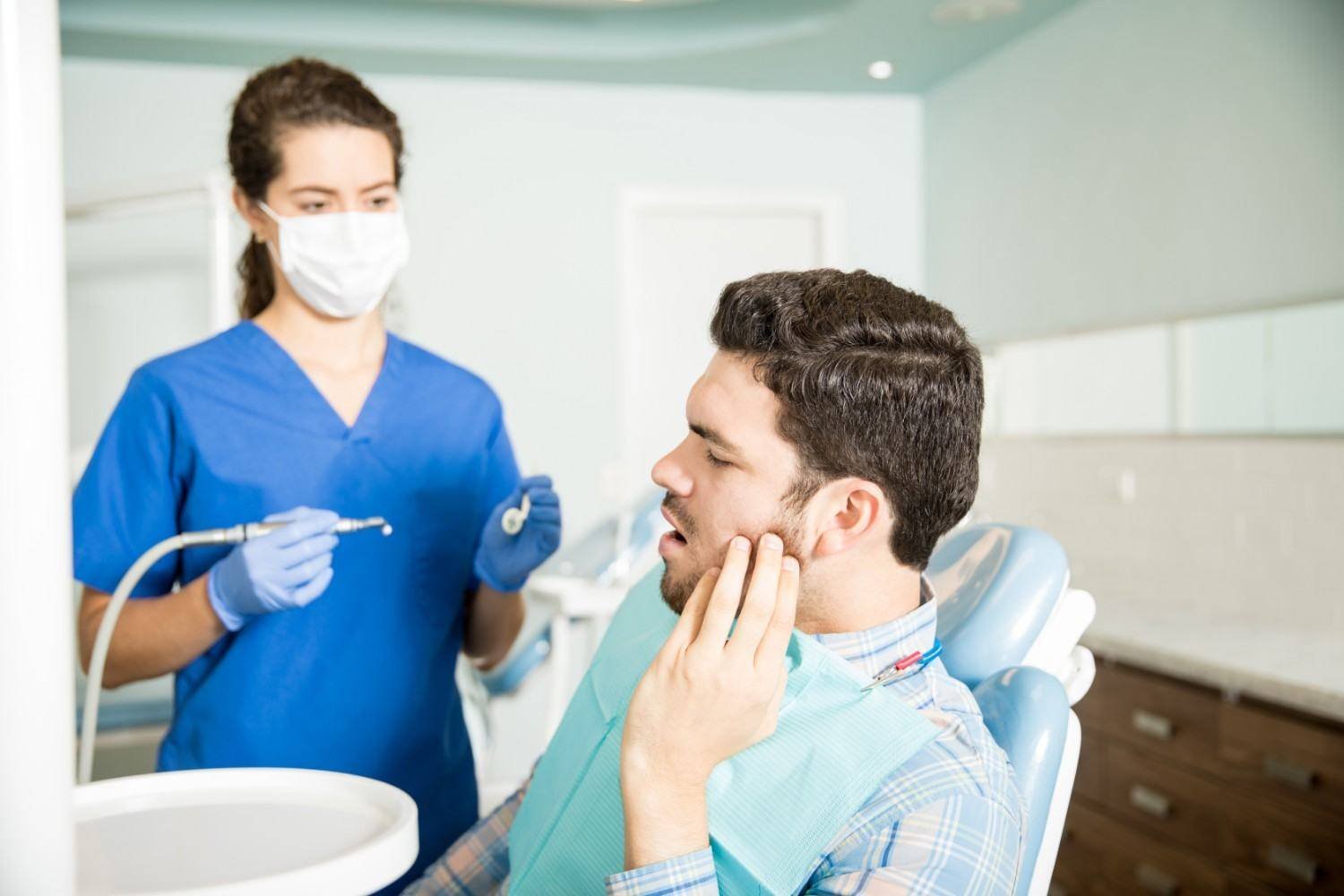
Dental implants are designed to provide a stable and long-lasting replacement for missing teeth. However, like natural teeth, implants need regular cleaning and professional dental care. Problems can develop in the tissues surrounding an implant, leading to a condition known as peri-implant disease. If you are looking for Peri-Implant Disease Treatment in Greater Noida, understanding the condition can help you recognize early warning signs and seek timely dental care.
For fast information, direct chat with us on WhatsApp.
Clover Dental Solutions focuses on helping patients understand oral health problems and the importance of appropriate dental treatment. Early attention to changes around an implant can make it easier to protect the surrounding tissues and maintain oral health.
What Is Peri-Implant Disease?
Peri-implant disease refers to inflammation and infection affecting the tissues around a dental implant. It generally develops in two stages: peri-implant mucositis and peri-implantitis.
Peri-implant mucositis involves inflammation of the soft tissue around an implant without the loss of supporting bone. At this stage, professional cleaning and improved oral hygiene may help control the inflammation.
Peri-implantitis is a more advanced condition. It involves inflammation around the implant along with damage or loss of the supporting bone. Without appropriate treatment, it can affect the stability of the implant.
For this reason, recognizing symptoms early and seeking professional evaluation is important.
What Causes Peri-Implant Disease?
Several factors can contribute to inflammation around dental implants. One of the most common concerns is the buildup of plaque and bacteria around the implant and gumline.
Other contributing factors may include:
- Inadequate oral hygiene
- A history of gum disease
- Smoking or tobacco use
- Difficulty cleaning around the implant
- Inflammation of the surrounding gum tissue
- Certain medical or lifestyle factors that may affect oral health
Clover Dental Solutions recommends paying attention to changes around an implant rather than waiting until discomfort becomes severe. Regular dental examinations can help identify problems before they progress.
What Are the Warning Signs?
Peri-implant disease does not always cause noticeable discomfort in its early stages. This makes regular dental check-ups particularly important.
Possible signs include:
Red or Swollen Gums
Inflamed, swollen, or tender gum tissue around an implant may indicate irritation or infection. Persistent redness should not be ignored.
Bleeding During Cleaning
Bleeding while brushing or cleaning around an implant can be a sign of inflammation. Although occasional bleeding may have different causes, repeated bleeding deserves professional assessment.
Pus or Unusual Discharge
The presence of pus around an implant may indicate infection and requires dental evaluation.
Gum Recession
Changes in the gumline around an implant can expose more of the implant surface and may indicate a problem with the surrounding tissues.
Implant Looseness
An implant that feels loose is a significant concern. Since a healthy, properly integrated implant should remain stable, mobility should be assessed by a dentist promptly.
How Does Peri-Implant Disease Affect Dental Implants?
The impact depends on the severity and progression of the condition. In its early form, inflammation may primarily affect the soft tissues surrounding the implant.
If the condition progresses to peri-implantitis, supporting bone can be lost. Because dental implants depend on healthy surrounding bone for stability, progressive bone loss can compromise the implant’s support.
This does not mean that every case of inflammation will result in implant failure. Early diagnosis and appropriate treatment can help manage the condition and protect the tissues around the implant.
Patients searching for Peri-Implant Disease Treatment in Greater Noida should therefore consider professional evaluation when they notice persistent inflammation, bleeding, swelling, discharge, or changes in implant stability.
How Is Peri-Implant Disease Diagnosed?
A dentist will assess the implant, surrounding gums, and supporting structures. The evaluation may include checking the condition of the gum tissue, looking for signs of inflammation, assessing the implant’s stability, and using dental X-rays when needed to evaluate the supporting bone.
The exact assessment depends on the patient’s symptoms and the condition of the implant.
A proper diagnosis is important because treatment depends on whether the problem is limited to soft-tissue inflammation or involves deeper tissues and supporting bone.
Treatment for Peri-Implant Disease
Treatment varies according to the severity of the disease and the condition of the implant.
Professional Cleaning
For early inflammation, professional removal of plaque and deposits around the implant may be recommended. Improving daily oral hygiene is also an important part of managing the condition.
Improved Oral Hygiene
Patients may receive personalized guidance on brushing and cleaning around their implants. Proper cleaning helps reduce the bacterial buildup that can contribute to inflammation.
Treatment of Advanced Disease
When peri-implantitis has affected the supporting bone, more advanced treatment may be required. Depending on the individual situation, a dentist may consider procedures aimed at controlling infection, cleaning the affected implant surface, managing damaged tissues, or addressing bone loss.
Clover Dental Solutions can assess the condition of the implant and recommend an appropriate treatment approach based on individual needs.
Can Peri-Implant Disease Be Prevented?
Good daily oral hygiene and regular professional dental care are important for maintaining healthy tissues around implants. Patients should clean their teeth and implant-supported restorations carefully and attend recommended dental check-ups.
It is also important to avoid ignoring persistent gum inflammation or bleeding. Seeking dental advice when symptoms first appear may help prevent a minor problem from becoming more complicated.
If you have undergone implant treatment, maintaining a consistent oral-care routine is part of protecting your investment and supporting long-term oral health.
When Should You See a Dentist?
You should consider a dental examination if you notice persistent swelling, redness, bleeding, discomfort, discharge, gum changes, or mobility around an implant.
Even when there is no pain, changes around an implant should be evaluated. Peri-implant disease can develop without obvious symptoms in its early stages, so routine monitoring remains valuable.
For patients seeking Peri-Implant Disease Treatment in Greater Noida, an individualized examination can help determine the cause of the problem and the most suitable next step.
Conclusion
Peri-implant disease can affect the gums and supporting tissues around dental implants and, when left unmanaged, may contribute to bone loss and reduced implant support. Recognizing warning signs such as bleeding, swelling, redness, discharge, or implant mobility can encourage timely dental evaluation.
Good oral hygiene, regular check-ups, and appropriate treatment can help maintain the health of tissues surrounding dental implants. If you are concerned about inflammation or other changes around an implant, Peri-Implant Disease Treatment in Greater Noida can help you understand the condition and explore suitable care options.
Clover Dental Solutions encourages patients to take changes around dental implants seriously and seek professional assessment rather than waiting for symptoms to worsen.
If you want to learn more about dental care or schedule a consultation, visit Clover Dental Solutions today!