Consulting Hours:
-
Mon- Sun: 10:45 am–1:30 pm, 5:45–8:30 pm
Wednesday Closed
Appointment:
Peri-implant disease is an inflammatory condition that affects the gums and bone around a dental implant. It usually starts with irritation in the soft tissues and can progress to bone loss if not treated on time. Many patients experience it due to plaque buildup, poor oral hygiene, smoking, uncontrolled diabetes, or ill-fitting implant restorations. When addressed early, the condition is manageable and the implant can be saved. Clover Dental Solutions provides the Best Peri-Implant Disease Treatment in Greater Noida, focusing on careful diagnosis, gentle care and long term implant protection.
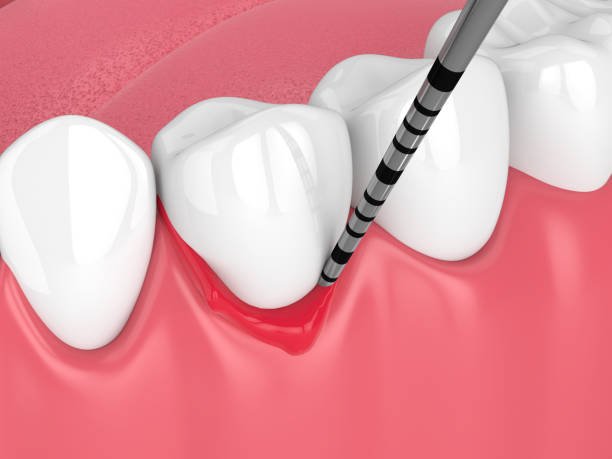
. Red or swollen gums around the implant
• Bleeding while brushing or touching the area
• Persistent discomfort or tenderness
• Receding gums around the implant
• Pus discharge or a bad taste in the mouth
• Loose or shaky implant crown
• Deep pockets around the implant detected during a check up
• Increasing gap between the implant and gum
• Difficulty chewing on the affected side
• Visible inflammation that does not settle on its own
• Professional cleaning to remove plaque and calculus around the implant
• Scaling of the implant surface to reduce bacterial load
• Antibacterial rinses or local antibiotic gels for targeted infection control
• Laser therapy to disinfect and promote healing
• Polishing of the implant crown for smoother surfaces and easier cleaning
• Checking the bite to reduce pressure on the implant
• Soft tissue management to rebuild healthy gum structure
• Surgical cleaning in advanced cases to remove infected tissue
• Bone grafting if the disease has caused bone loss
• Long term maintenance plan to prevent recurrence
1. What causes peri-implant disease?
• Plaque buildup around the implant
• Poor oral hygiene
• Smoking
• Ill-fitting implant crowns
• Medical conditions like uncontrolled diabetes
2. Can peri-implant disease be cured?
• Yes, when diagnosed early it can be treated with cleaning, antibacterial therapy and supportive care.
• Advanced cases can also be managed with surgical cleaning or bone regeneration.
3. How do I know if my implant is infected?
• Signs include swelling, bleeding, pain, pus discharge, bad taste or gum recession around the implant.
4. Will I lose my implant because of this disease?
• Not always. Early treatment helps save the implant.
• Even in severe cases, corrective procedures can strengthen the surrounding bone and tissue.
5. How soon should I visit a dentist?
• Visit immediately if you notice any discomfort, bleeding or mobility near the implant.
• Early intervention prevents damage and improves treatment success.
6. Is the treatment painful?
• Most procedures are comfortable with local anaesthesia.
• Laser therapy and gentle cleaning reduce discomfort during recovery.
7. How can I prevent peri-implant disease?
• Brush and floss daily
• Use prescribed mouth rinses
• Visit for professional cleaning every six months
• Avoid smoking
• Maintain proper blood sugar levels if diabetic
 Call Now Button