
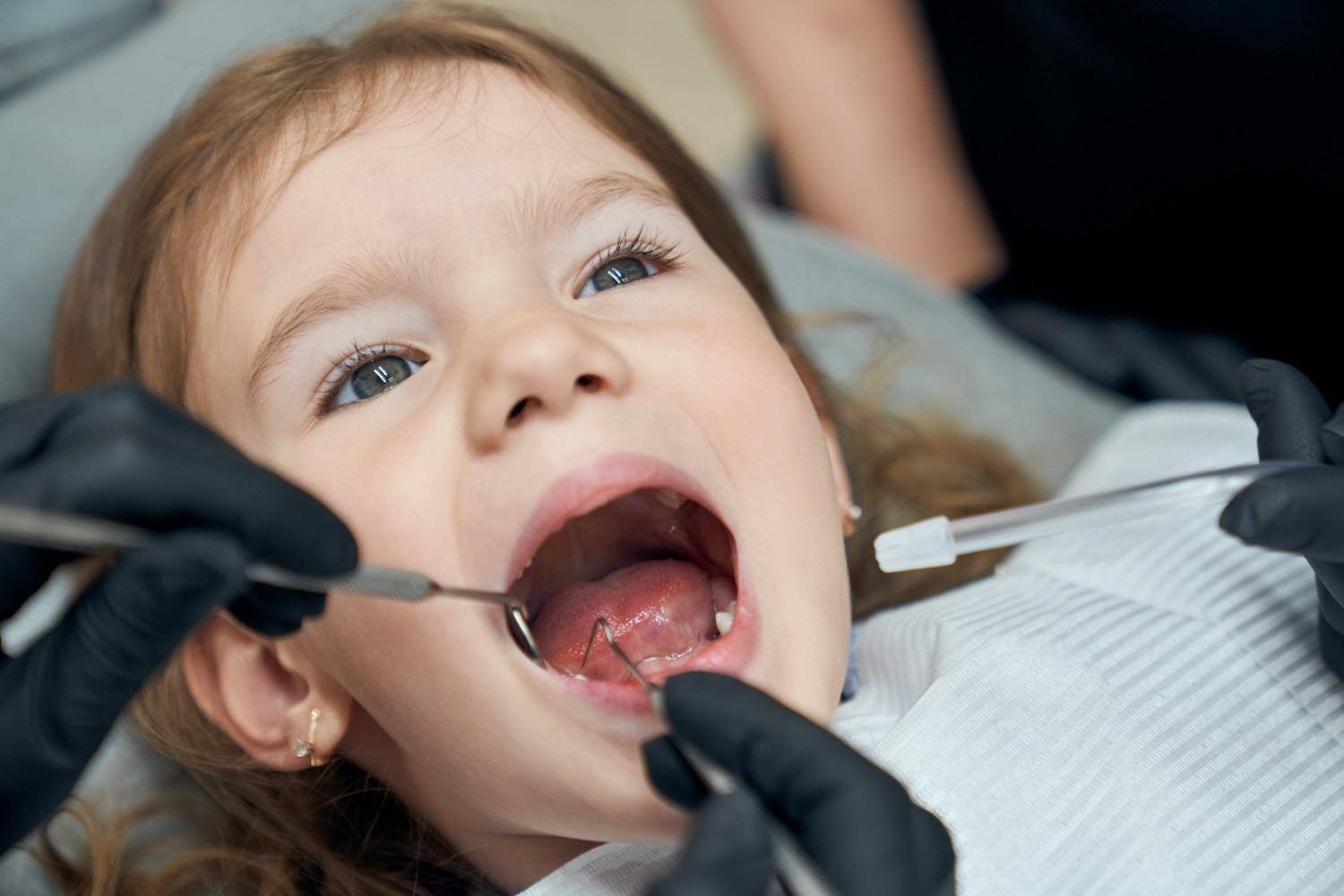
A child’s smile changes considerably as baby teeth are replaced by permanent teeth. During this stage, some children develop dental alignment or bite concerns that may become more noticeable with age. Parents may see overlapping teeth, spaces, difficulty biting, or an uneven relationship between the upper and lower teeth.
This is where Pediatric Orthodontics in Techzone 4 can be helpful. Pediatric orthodontic care focuses on the development of a child’s teeth and jaws and helps identify problems that may benefit from timely orthodontic attention. At Clover Dental Solutions, the approach is based on evaluating each child individually rather than assuming that every dental concern requires the same treatment.
For fast information, direct chat with us on WhatsApp.
Understanding Your Child’s Developing Smile
Orthodontic problems are not always easy for parents to identify. A child may have teeth that look relatively straight but still have an underlying bite or jaw-development issue.
During an orthodontic examination, the dentist or orthodontist can look at how the teeth fit together, how permanent teeth are erupting, and whether the jaws are developing in a balanced way.
The purpose of an early assessment is not necessarily to start treatment immediately. Sometimes, monitoring the child’s growth is the most appropriate approach.
Dental Problems That May Need Orthodontic Attention
Crowding and Overlapping Teeth
One of the most noticeable orthodontic concerns is dental crowding. It occurs when teeth do not have sufficient room to come into their proper positions.
A crowded smile may contain teeth that overlap, rotate, or erupt outside the normal dental arch. Besides affecting appearance, crowded areas can sometimes make brushing and flossing more difficult.
Pediatric orthodontic evaluation can help determine whether the available space is likely to be sufficient as the remaining permanent teeth erupt.
Unusual Spaces Between Teeth
Spaces are common during childhood, particularly while baby teeth are being replaced. However, some gaps may remain or become more noticeable as permanent teeth develop.
The reason for spacing can vary. It may be related to tooth size, eruption patterns, or the relationship between the teeth and jaws. An orthodontic assessment can help identify whether the spacing is part of normal development or requires attention.
Teeth That Do Not Meet Correctly
The upper and lower teeth should work together during biting and chewing. When they do not fit together properly, it may indicate a malocclusion.
Children can develop different types of bite problems, including overbite, underbite, crossbite, and open bite. These conditions can have different causes and may require different treatment approaches.
Clover Dental Solutions evaluates the child’s bite and overall dental development before recommending orthodontic care.
Crossbite
A crossbite occurs when one or more upper teeth sit inside the lower teeth when the child bites down.
It can affect the front or back teeth. Because children are still growing, identifying a developing crossbite can allow the dental team to determine whether early treatment or continued observation is appropriate.
Excessive Overbite
In some children, the upper front teeth overlap the lower front teeth more than expected. This can be described as a deep bite or excessive overbite.
The severity and cause of the problem matter when deciding whether orthodontic treatment is needed. Treatment may focus on improving the relationship between the teeth and supporting structures.
Underbite
An underbite occurs when the lower front teeth extend ahead of the upper front teeth.
The condition can involve tooth positioning, jaw development, or a combination of factors. Since jaw growth changes throughout childhood, an orthodontic examination can help determine the most suitable time to intervene if treatment is necessary.
Open Bite
With an open bite, certain upper and lower teeth do not touch when the child closes their mouth.
Persistent oral habits can sometimes influence the development of an open bite. Thumb-sucking and tongue-positioning habits are examples that may affect the developing bite in some children.
Rather than focusing only on tooth alignment, pediatric orthodontic care considers the factors contributing to the problem.
How Oral Habits Can Affect Alignment
Some childhood habits can influence the position of developing teeth when they continue for an extended period.
Examples include:
- Thumb or finger sucking
- Certain tongue-thrusting patterns
- Other repetitive oral habits
Not every child with an oral habit develops an orthodontic problem. However, when changes in tooth position or bite become noticeable, professional assessment can help parents understand whether the habit is contributing to the concern.
Depending on the situation, the dental team may recommend behavioural guidance, observation, or an orthodontic appliance.
Why Timing Can Matter in Pediatric Orthodontics
Children’s jaws and teeth are continuously developing. This makes childhood different from adult orthodontic care.
An orthodontic check can identify whether a problem should be addressed now, monitored for a period, or treated after more permanent teeth have erupted.
For parents looking for Pediatric Orthodontics in Techzone 4, the main benefit of an assessment is understanding what is happening with the child’s developing smile instead of waiting until the problem becomes more obvious.
At Clover Dental Solutions, the treatment approach is selected according to the child’s individual dental needs and stage of development.
What Might an Orthodontic Treatment Plan Include?
There is no single treatment that works for every child. Depending on the concern, age, and stage of dental development, an orthodontic plan may involve:
- Regular observation
- Orthodontic appliances
- Early-phase orthodontic treatment
- Braces when appropriate
- Appliances designed to address specific habits or bite concerns
- Continued monitoring during growth
The treatment objective is to improve dental alignment and bite while taking the child’s ongoing growth into consideration.
Signs Parents Should Not Ignore
Parents do not need to diagnose an orthodontic problem themselves. However, certain changes can be worth discussing with a dental professional.
Look out for:
- Difficulty biting food normally
- Teeth that are noticeably overlapping
- Permanent teeth erupting in unusual positions
- A visible crossbite
- Significant gaps
- Teeth that do not come together properly
- Persistent oral habits
- Noticeable changes in jaw position
- Concerns about the way the child’s teeth are developing
A consultation can provide clarity even when treatment is not immediately required.
Frequently Asked Questions
1. What is pediatric orthodontics used for?
Pediatric orthodontics can help assess and manage developing concerns involving tooth alignment, spacing, crowding, bite relationships, jaw development, and certain oral habits.
2. Are gaps between children’s teeth always a problem?
No. Some spacing is a normal part of childhood dental development. An orthodontic examination can help determine whether a particular gap is expected or needs further evaluation.
3. Can pediatric orthodontics correct an underbite?
Depending on the cause and severity, orthodontic treatment may help manage an underbite. The child’s growth stage and the relationship between the teeth and jaws are important factors in treatment planning.
4. Does a child need braces as soon as an orthodontic problem is noticed?
Not necessarily. Some children benefit from immediate treatment, while others may only need periodic monitoring until their teeth and jaws develop further.
5. When should parents consider an orthodontic evaluation?
Parents can discuss an orthodontic evaluation if they notice unusual tooth eruption, significant crowding, persistent oral habits, bite problems, or concerns about jaw development. A professional assessment can determine whether treatment is appropriate.
Conclusion
A developing smile can reveal orthodontic concerns long before a child reaches adulthood. Crowding, unusual spacing, crossbite, overbite, underbite, open bite, and certain oral habits are among the issues that may require orthodontic evaluation.
The important point is that every child develops differently. Some problems may need treatment, while others can simply be monitored during growth.
If you are concerned about your child’s developing teeth or bite, Clover Dental Solutions can help assess the situation and explain the available options. Choosing Pediatric Orthodontics in Techzone 4 can give parents a clearer understanding of their child’s orthodontic needs and the appropriate timing for care.
If you want to learn more about dental care or schedule a consultation, visit Clover Dental Solutions today!