
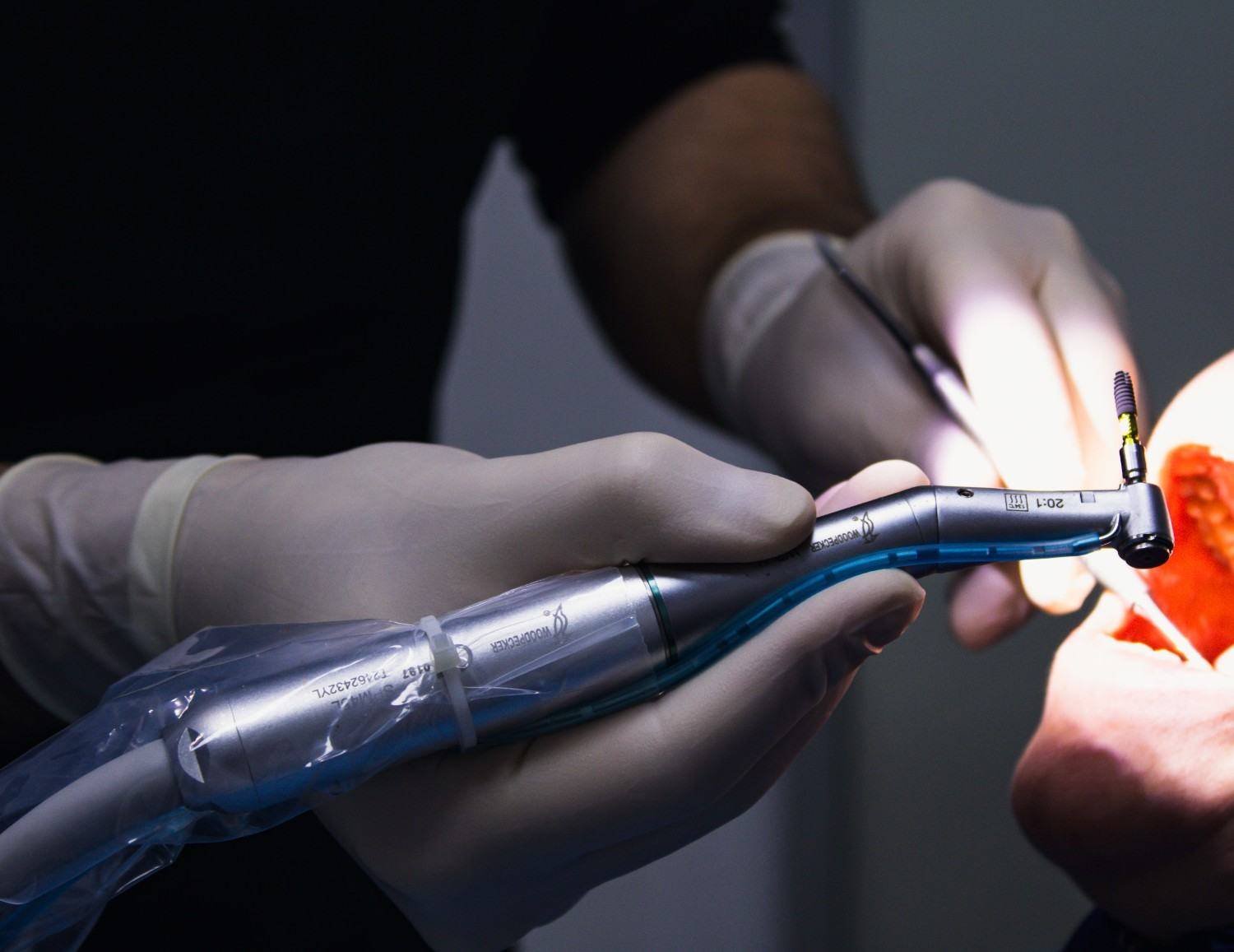
Gum disease can begin with mild symptoms such as bleeding gums, redness, or swelling. When it progresses, however, bacteria can move deeper around the teeth and create periodontal pockets that are difficult to clean with routine brushing and professional cleaning. In such situations, Osseous Surgery Treatment in Greater Noida West may be considered to help manage advanced periodontal disease.
At Clover Dental Solutions, understanding the condition and choosing treatment according to the individual patient’s needs are important parts of periodontal care. But what exactly is osseous surgery, and when might a dentist recommend it?
For fast information, direct chat with us on WhatsApp.
What Is Osseous Surgery?
Osseous surgery, also known as periodontal flap surgery or pocket reduction surgery, is a procedure used to treat certain cases of advanced gum disease.
With periodontitis, bacteria and plaque can accumulate below the gumline. Over time, the gums may pull away from the teeth, creating deeper pockets. These spaces can become difficult to clean and may allow infection to continue affecting the tissues supporting the teeth.
During osseous surgery, the dentist carefully accesses the affected area beneath the gums. This allows infected tissue and deposits that cannot be adequately removed through routine periodontal cleaning to be addressed. The gum tissue is then repositioned to support easier maintenance.
Why Might a Dentist Recommend Osseous Surgery?
Not everyone with gum disease needs surgery. Dentists generally consider the severity of periodontal disease, the depth of gum pockets, the condition of the supporting tissues, and how well the disease has responded to less invasive treatments.
When Non-Surgical Treatment Is Not Enough
Early and moderate gum disease can often be managed with professional dental cleaning, improved oral hygiene, and other non-surgical periodontal treatments. However, deeper periodontal pockets may remain even after these measures.
If harmful deposits and bacteria continue to affect areas below the gumline, Osseous Surgery Treatment in Greater Noida West may be recommended as part of a more comprehensive periodontal treatment plan.
For Deeper Periodontal Pockets
Deep periodontal pockets can provide areas where bacteria collect and become difficult to remove. This can make daily oral hygiene less effective in those particular areas.
Osseous surgery allows the dentist to access these deeper areas more directly. The objective is to reduce the conditions that allow periodontal infection to persist and make the affected areas easier to maintain.
When Supporting Bone Has Been Affected
Advanced periodontitis can affect the bone and tissues that support the teeth. Depending on the individual’s condition, periodontal surgery may be considered when disease-related changes have made conventional cleaning insufficient.
Clover Dental Solutions evaluates the condition of the gums and supporting structures before recommending a surgical approach.
What Happens During Osseous Surgery?
The exact procedure can vary depending on the patient’s periodontal condition. Generally, the treatment involves carefully accessing the affected area beneath the gum tissue.
The dentist cleans the root surfaces and removes diseased or infected tissue. If irregular areas of affected bone are present, they may also be addressed to create a healthier environment around the tooth.
The gum tissue is then placed back into position and allowed to heal. Your dentist will provide specific aftercare instructions based on the procedure performed.
Because every case is different, Osseous Surgery Treatment in Greater Noida West should only be recommended after an appropriate dental and periodontal assessment.
What Can You Expect After Treatment?
Some tenderness, swelling, or sensitivity may occur following periodontal surgery. Your dentist will explain how to care for the treated area during healing.
Maintaining good oral hygiene is particularly important after treatment. You may also be advised to temporarily modify certain brushing or eating habits around the treated area.
Follow-up appointments allow the dentist to monitor healing and assess the condition of your gums. Long-term periodontal care may also include regular professional cleanings and consistent home care.
Can Osseous Surgery Prevent Further Gum Problems?
Osseous surgery is designed to address specific periodontal problems, but maintaining healthy gums requires ongoing care. Surgery does not replace daily brushing, flossing, professional dental visits, or other preventive measures.
Clover Dental Solutions recommends discussing any recurring gum bleeding, swelling, bad breath, gum recession, or tooth mobility with a dental professional rather than waiting for symptoms to worsen.
If periodontal disease has progressed significantly, Osseous Surgery Treatment in Greater Noida West may form one part of an individualized treatment plan.
Who May Need Osseous Surgery?
A dentist may consider periodontal surgery when a patient has advanced gum disease and deeper pockets that cannot be adequately managed through non-surgical treatment alone.
However, the decision depends on several factors. A dental professional may evaluate gum pocket measurements, inflammation, tooth stability, bone condition, oral hygiene, and previous treatment response.
For this reason, patients should not assume that surgery is necessary simply because they have gum disease. A professional examination is needed to determine the most appropriate approach.
Frequently Asked Questions
Is osseous surgery the same as gum disease treatment?
Osseous surgery is one type of periodontal treatment used for certain advanced cases of gum disease. It is not required for every patient with gingivitis or periodontitis.
When is osseous surgery recommended?
It may be recommended when periodontal pockets remain deep or difficult to clean after non-surgical treatment, particularly when advanced gum disease has affected the supporting tissues.
Can osseous surgery treat deep gum pockets?
Yes. The procedure gives the dentist access to areas beneath the gumline so that deposits and diseased tissue can be treated more thoroughly. The specific approach depends on the patient’s periodontal condition.
How can I maintain my gums after periodontal surgery?
Following your dentist’s instructions, maintaining regular oral hygiene, attending recommended follow-up visits, and receiving professional cleanings can help support long-term periodontal health.
Is osseous surgery suitable for everyone with periodontitis?
No. Treatment is based on the severity and characteristics of the periodontal disease. A dentist needs to examine the gums and supporting structures before deciding whether surgery is appropriate.
Conclusion
Advanced gum disease can become difficult to manage when bacteria and periodontal pockets extend below the gumline. While non-surgical treatment may be effective for many patients, some cases require a more direct approach.
Osseous Surgery Treatment in Greater Noida West may be considered when deeper periodontal pockets and affected supporting tissues cannot be adequately managed with routine periodontal care. Clover Dental Solutions can assess your gum health and help determine whether periodontal surgery or another treatment option is appropriate for your condition.
If you notice persistent gum bleeding, swelling, recession, bad breath, or changes around your teeth, seeking professional dental advice early can help you understand your treatment options.
If you want to learn more about dental care or schedule a consultation, visit Clover Dental Solutions today!